Meet the academics and researchers in the Wiinya Environmental Research Group.
Academic staff
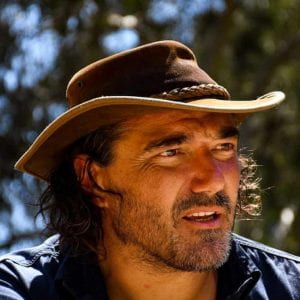
Prof Michael-Shawn Fletcher
My research focuses on the long-term interactions between humans, climate, disturbance and vegetation at local, regional and global scales.
Mr Anthony Romano
My research focuses on relationships between humans, fire, vegetation and climate, blending archaeology with palaeoecology.
PhD students
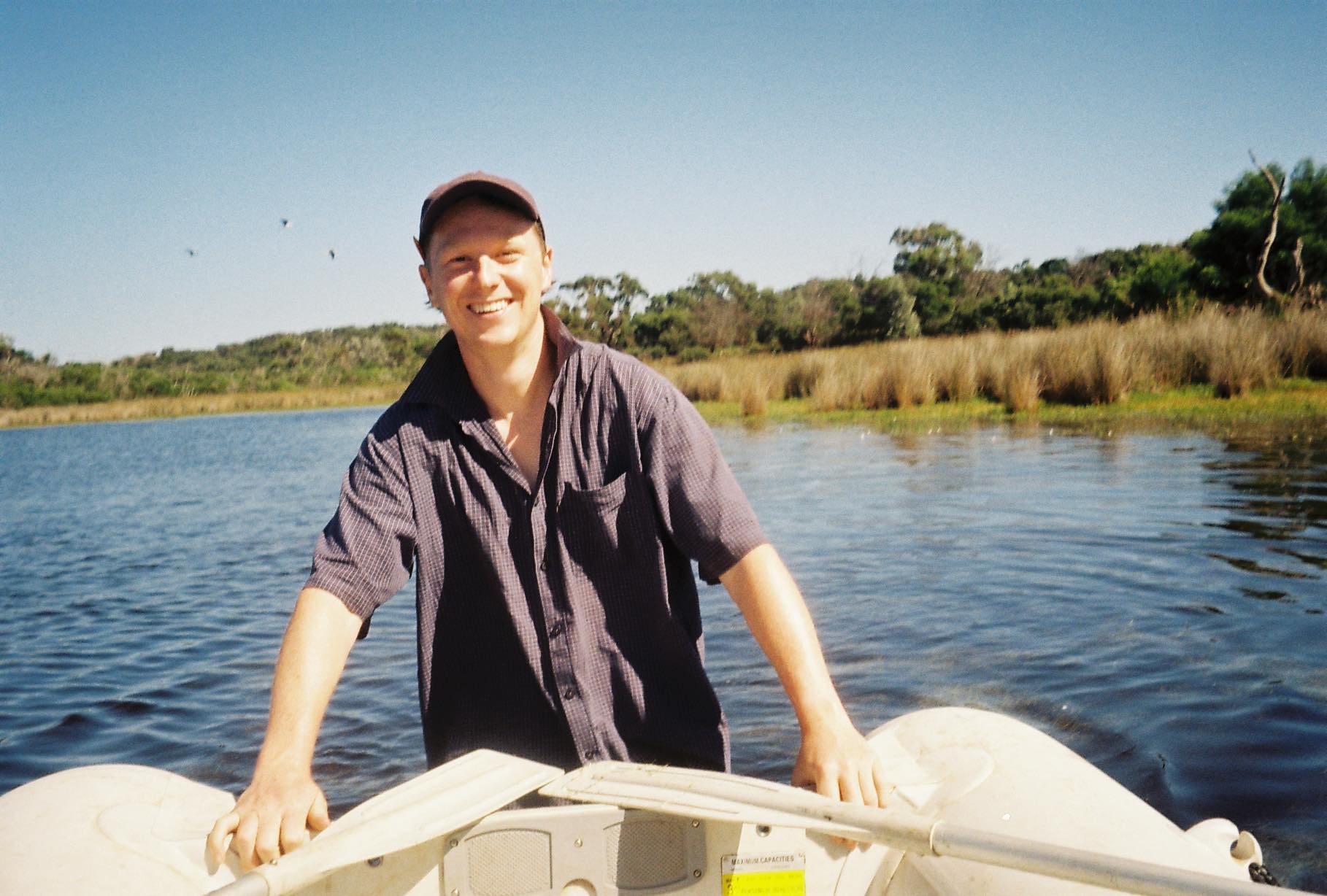
Patrick Kennedy
My research aims to reconstruct trends in fire regimes and fuel loads throughout the Holocene, with a particular interest in understanding of the impacts of British Invasion (and the loss of Indigenous burning)
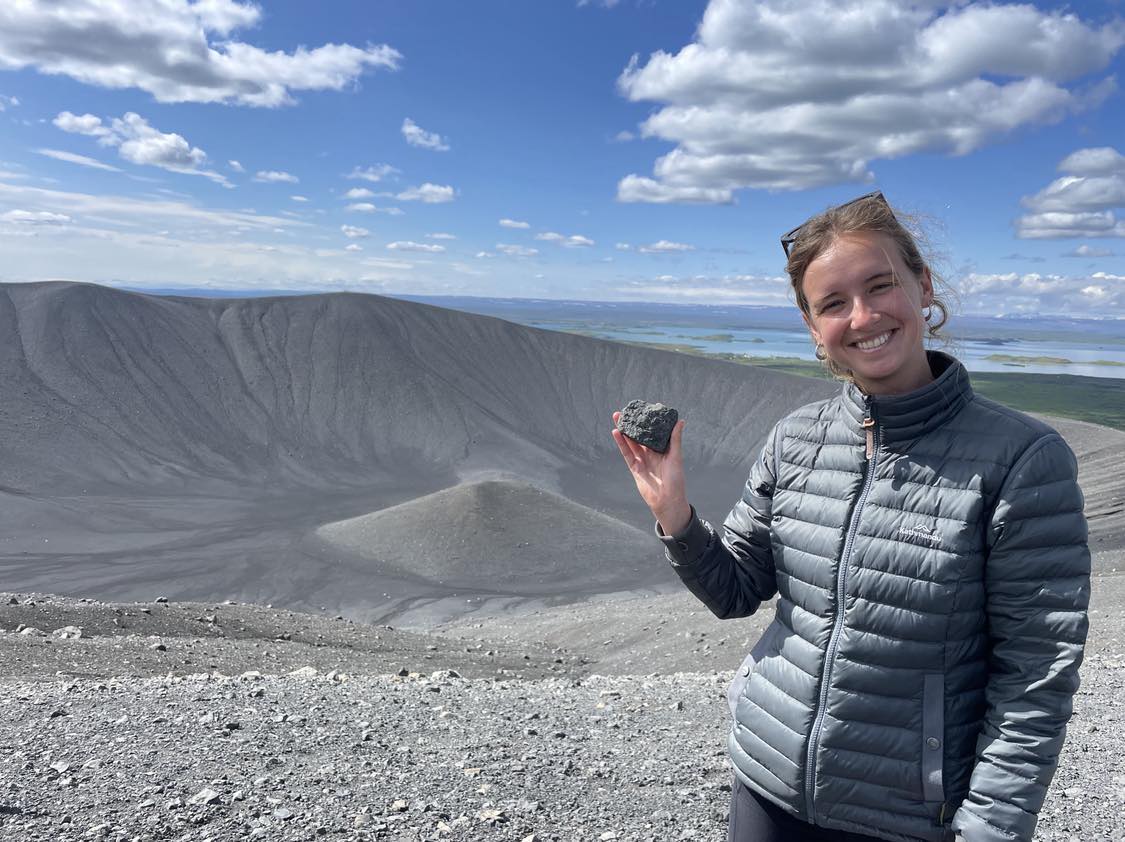
Louisa Sheridan
My research interests lie at the intersection of palaeoecology, fire, climate change and broad earth systems. My work has involved producing high-resolution palaeoclimate records that illuminate historical climate change in the Southern Hemisphere.
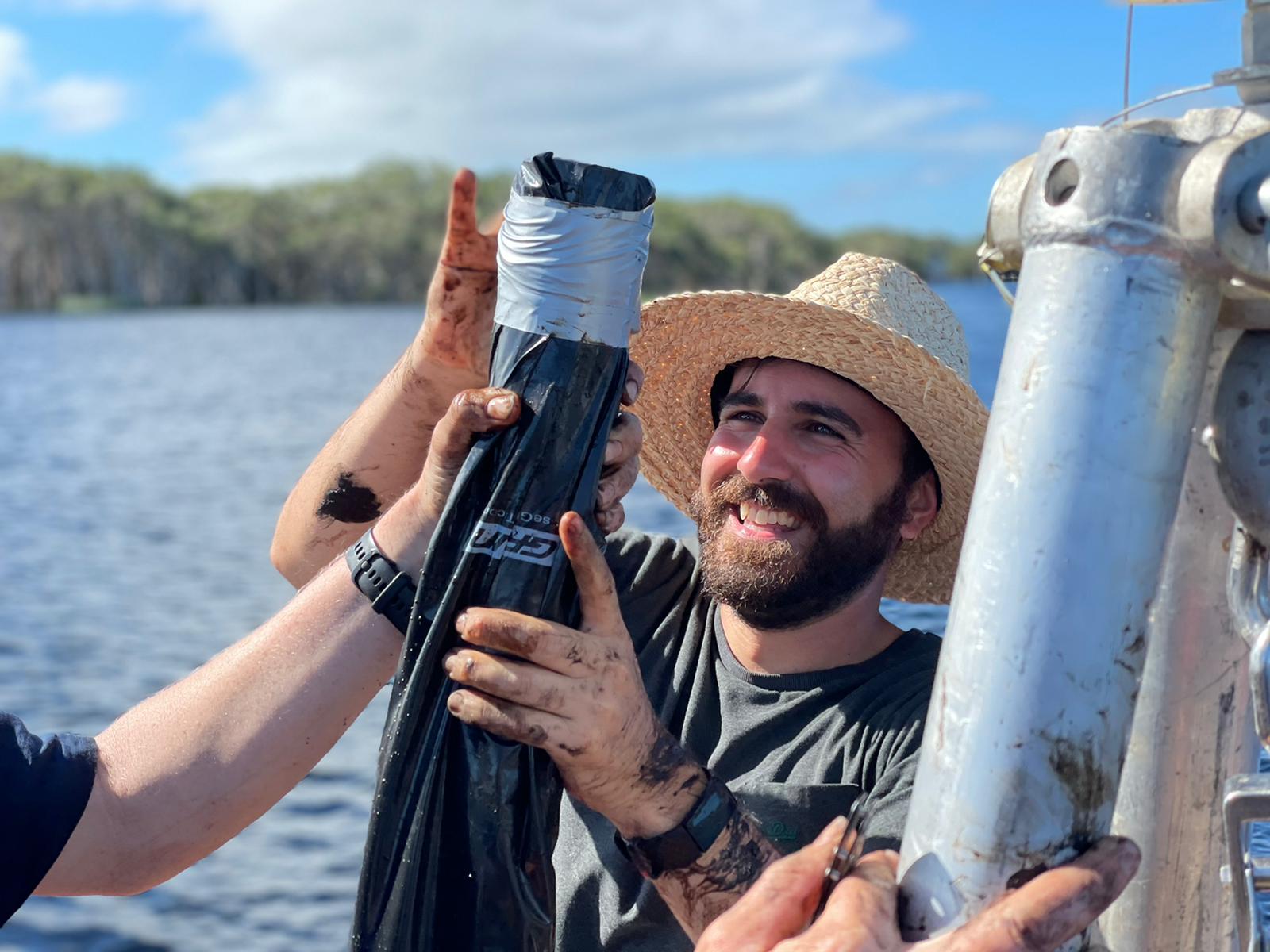
Anthony Romano (PhD)
My PhD project is focusing on molecular and palaeoecological research from across Taungurung Country (North-eastern Victoria) to explore human-environment relationships from data in sediment cores: their histories, stories and changes since British Invasion. I am applying a suite of proxies including pollen, charcoal, SPAC, PAHs, faecal sterols, and n-alkanes to understand how Taungurung created and sustained landscapes and what changes have occurred since the removal and suppression of that care.

Tom Keeble
My project seeks to enhance our understanding of how humans may have intentionally modified landscape structures over thousands of years, long before the introduction of colonial landscape management practices. By combining an in-silico experimental method (landscape simulation modelling) with existing palaeoecological (e.g., pollen and charcoal analysis) and palaeoclimate records as both input and validation data, various hypotheses related to past environmental change can be tested. Through this, the project seeks to improve empirical understandings of past human-environment interactions and further increase our ability to differentiate the relative imprint of climatic and anthropogenic processes in historical landscapes.
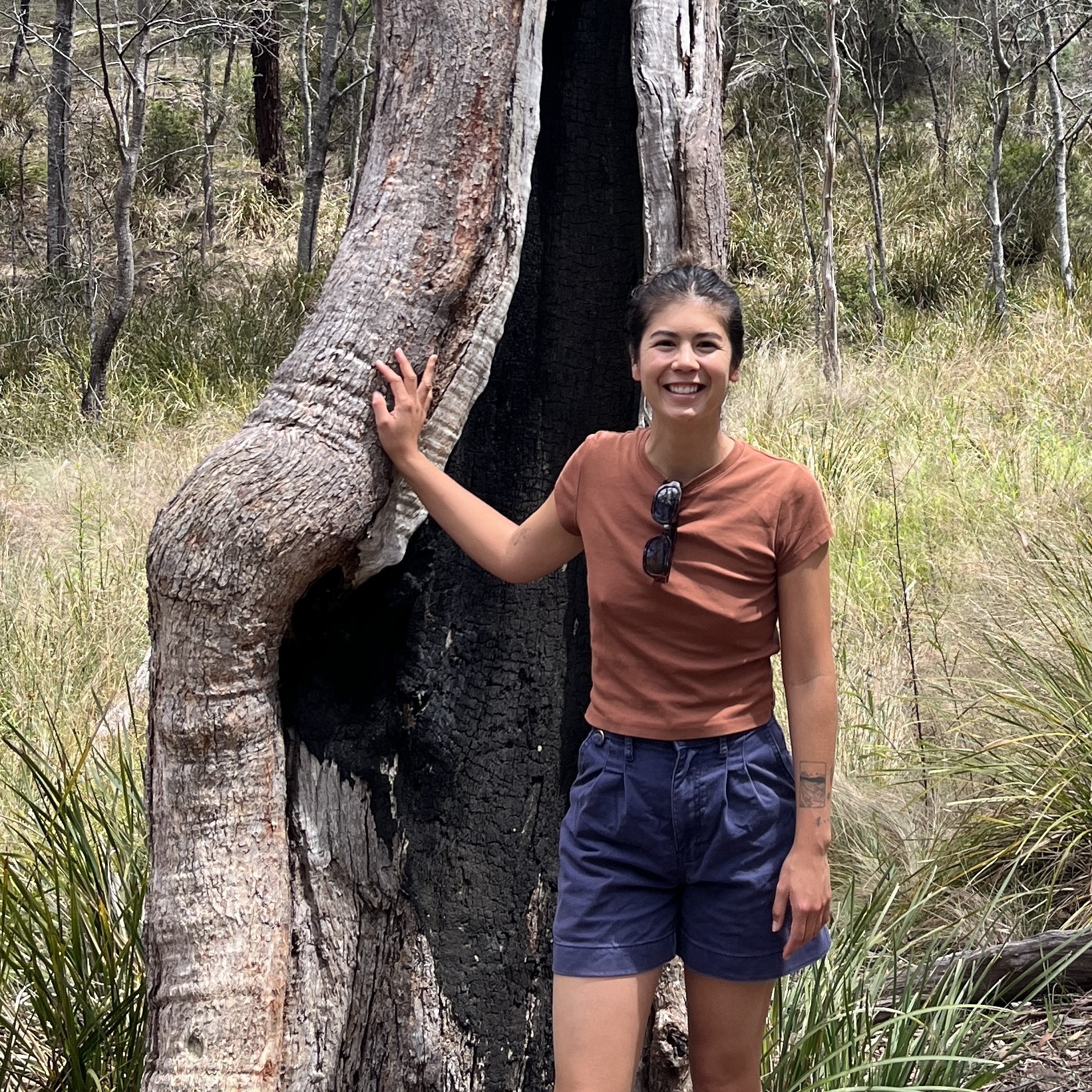
Harriet Magee
I am a PhD student in the Paleobiology Lab and WIINYA Environmental Research Group at The University of Melbourne, driven by curiosity about how fire has changed and landscapes have been shaped from the Holocene to the Miocene. I use burning experiments to create modern charcoal, refining how isotopic and chemical signatures of charcoal can reveal past fire conditions. Alongside this work, I analyse fossil pollen and charcoal, and loss-of-ignition to trace the long dialogue between people, vegetation, climate, and fire, offering vital insight into the dynamics of historic and future fire regimes.