University subjects and field trips taught by academics and researchers in the Wiinya Environmental Research Group.
Biogeography of Fire (GEOG30025/90027)
Fire is one of the most important controls over the distribution of vegetation on Earth. This subject examines the role of fire in natural systems, with a particular emphasis on the importance of fire in determining global vegetation patterns and dynamics over long periods of time. The aim is to understand how terrestrial systems have evolved to cope with and exploit fire, and to place the extreme flammability of Australia's vegetation within a global context. The subject will examine concepts such as resilience, positive feedback loops, hysteresis and alternative stable states.
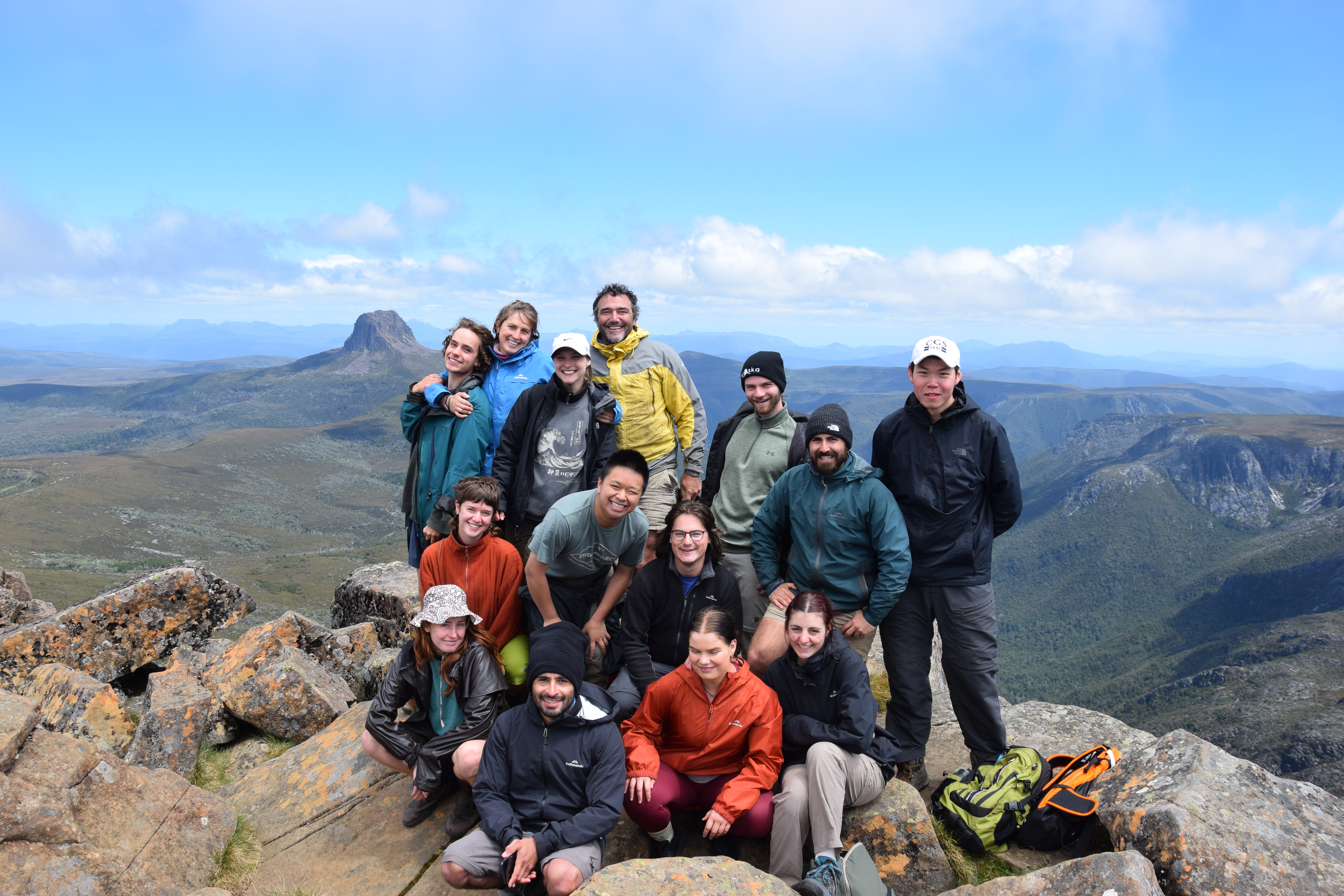
The use of fire by humans to manipulate environments will be examined, with a particular emphasis on the variety of approaches employed by people across a diversity of environments over long periods of time, allowing an exploration of the social and cultural dynamics of fire and environmental management. A field excursion in Tasmania will visit a number of sites which will exemplify the subject themes. The practical exercises leading up to the field trip will focus on how to gather fire-related ecological data. The practical exercises following the field trip will be devoted to processing, analysing, interpreting and reporting on the field data. At the end of the subject, students will have gained an understanding of the way in which fire has shaped natural systems, as well as acquiring the skills necessary to formulate and test hypotheses.
Subject and field trip information
-
This is a quota subject, with a maximum of 30 students. Selection is based on WAM, with preference given to University of Melbourne Geography majors. Successful enrolments will be notified in December and a deposit will be required to secure the place in the class.
The estimated additional cost of the 7-day field trip to Tasmania, is in the vicinity of $900-$1000. Students will be notified of the final cost. This cost covers all travel, accommodation and meals. This is not covered by HECS or University fees.
**Note: this subject may be taken as the Capstone subject in the Geography major of the BA and BSc. All students, whether they are capstone students or not, will be required to complete online introductory materials that are common across all field classes.
-
Subject dates: Jan 16 - Feb 14.
* Pre-field lectures: Jan 16 (these will not be recorded).
* 8-day field trip: Jan 17-24.
* Lectures will run between 11:30-12:30 each day between Jan 27-Feb 7.
* Laboratory sessions: Jan 27-Feb 7 (Each student must complete 14 hours laboratory hours as a minimum. These are in 2-hour slots (i.e., each person needs to do 7x2 hour sessions). There is a maximum of 8 people in each 2-hour slot. A booking sheet is released and is on a first served, best dressed basis).
* Teaching period will end Friday 14th February with the presentation assignment on the data collected from the field trip/lab sessions
*Assessment period end will be Friday 14th March
-
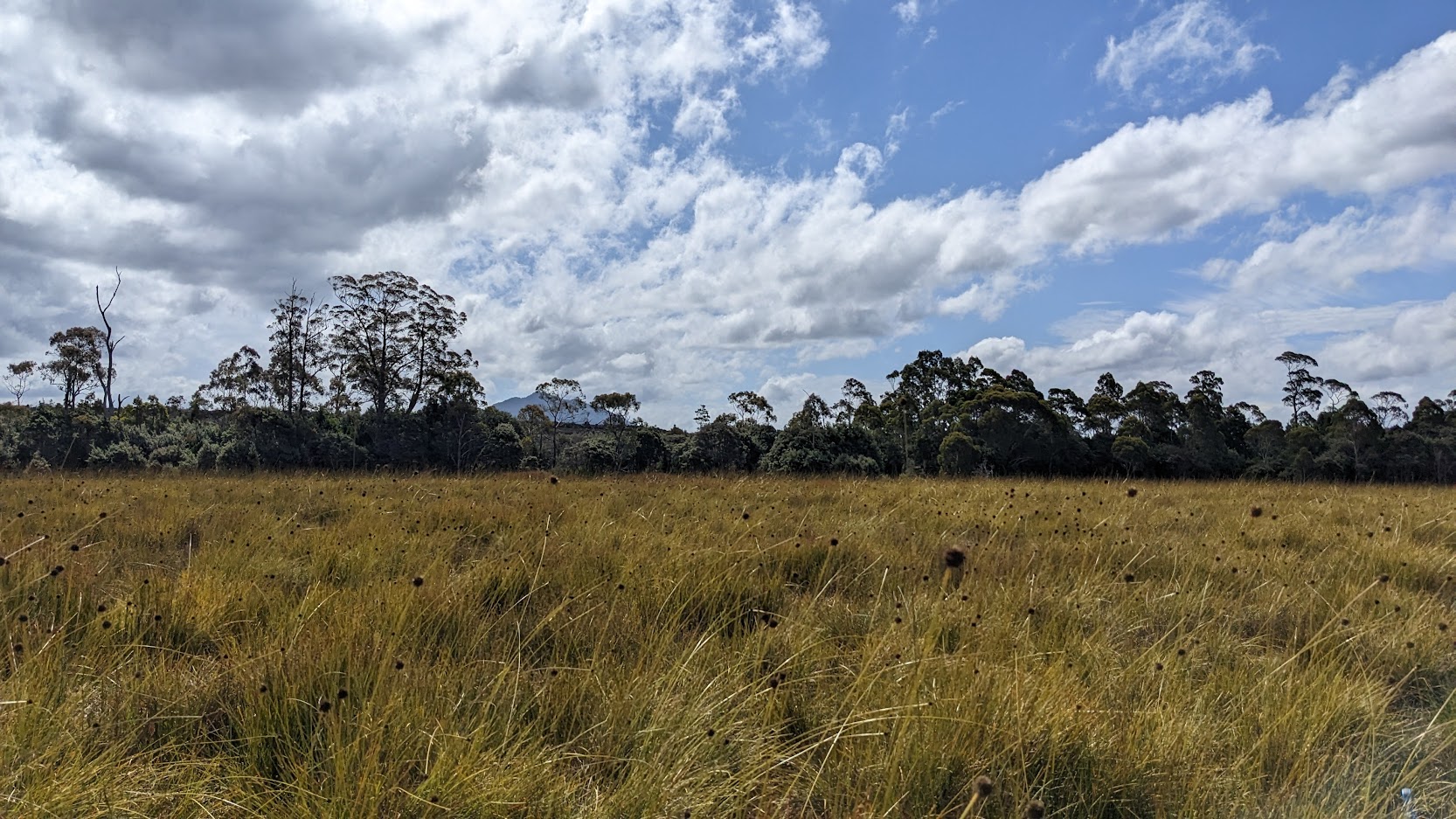
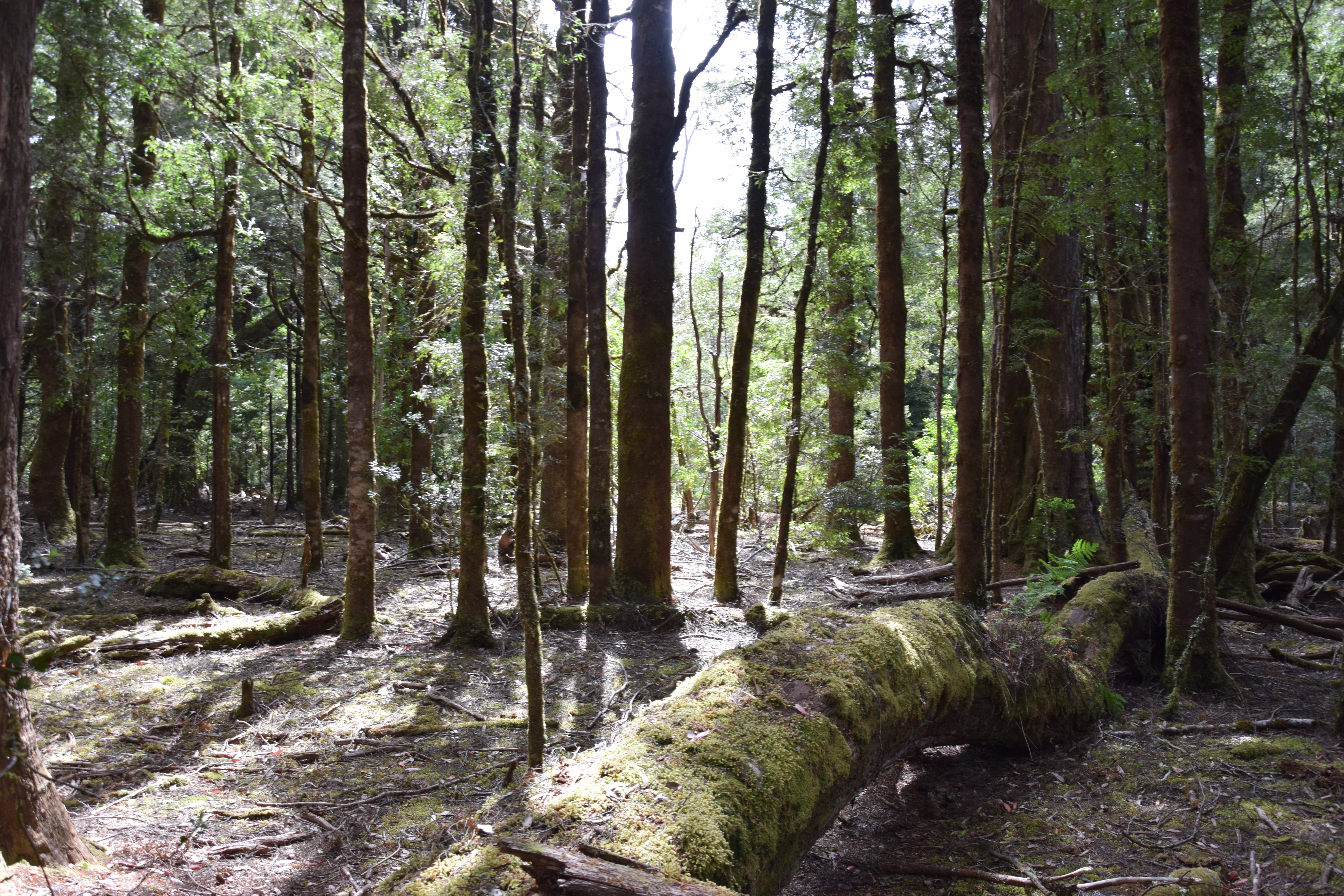
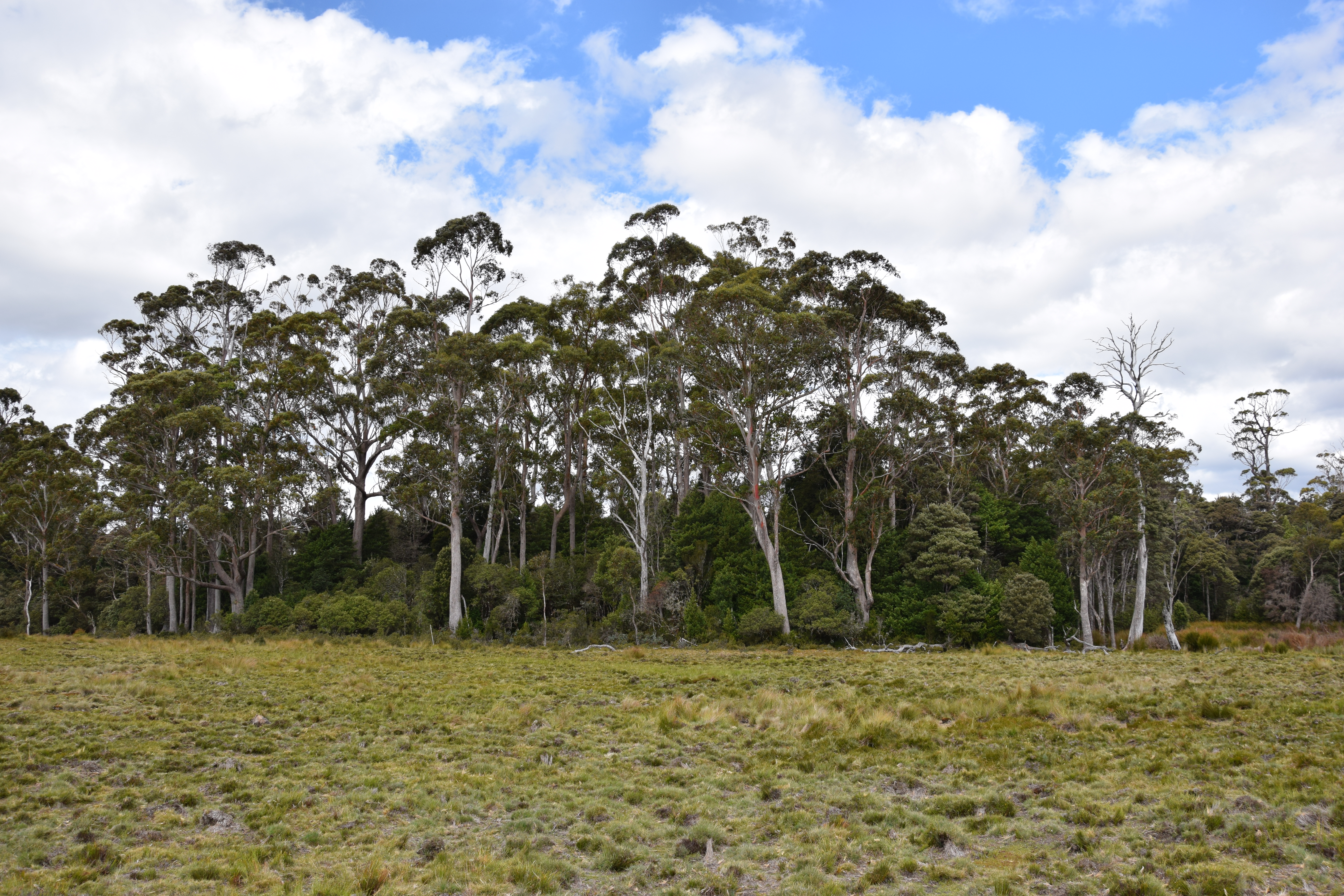
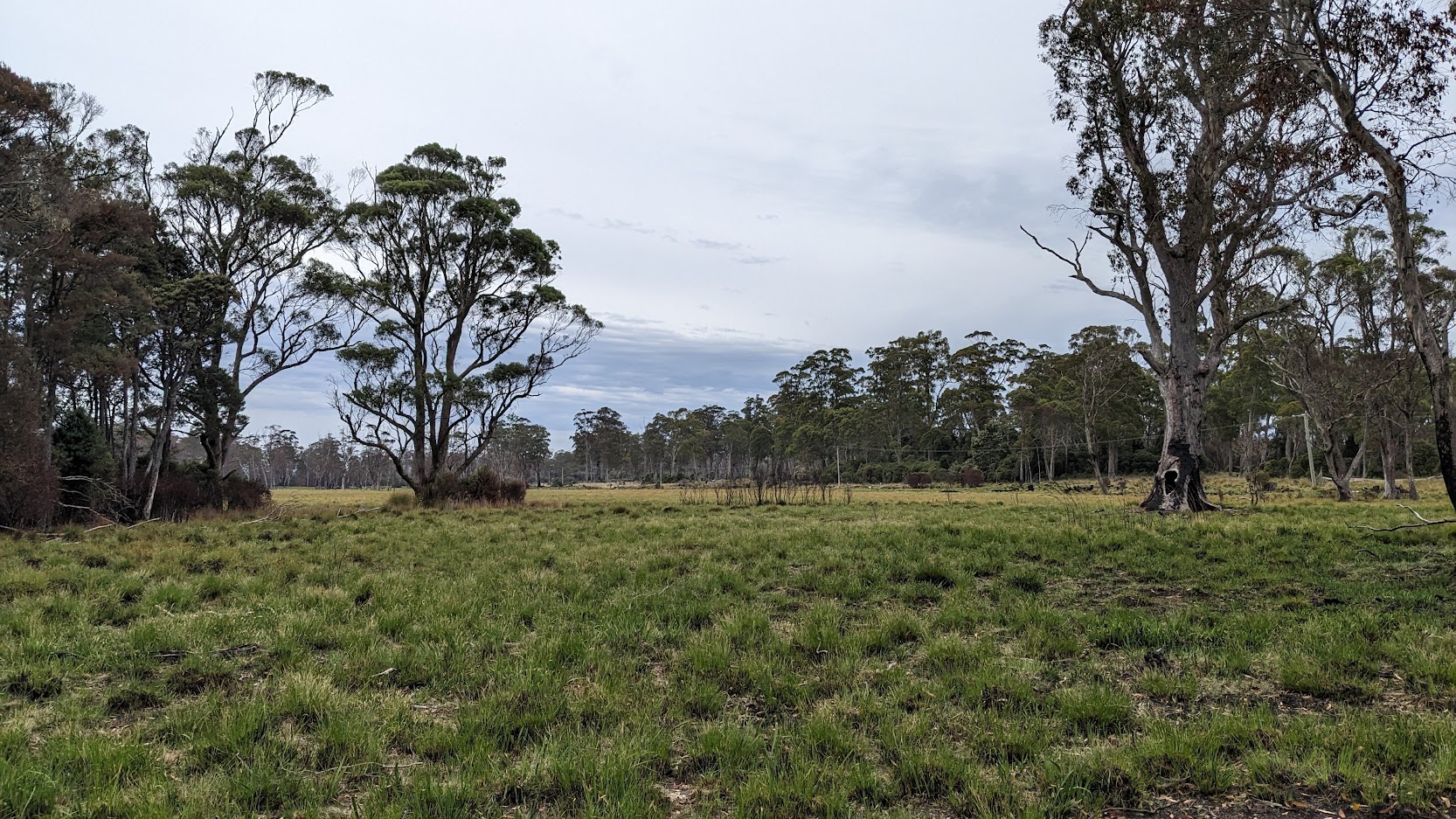
We are conducting a Natural Experiment – i.e., we are actually going to do science on an unsolved problem. We are interested in what determines the distribution of ecosystems. Our study area – Surrey Hills – is a great place to study this question, as there are remarkably sharp transitions between rainforest and grasslands. You will discover in the lectures that this kind of relationship is ‘unusual’ in nature and is always related to some factor holding the rainforest out. Our hypothesis, which is no surprise, is fire!
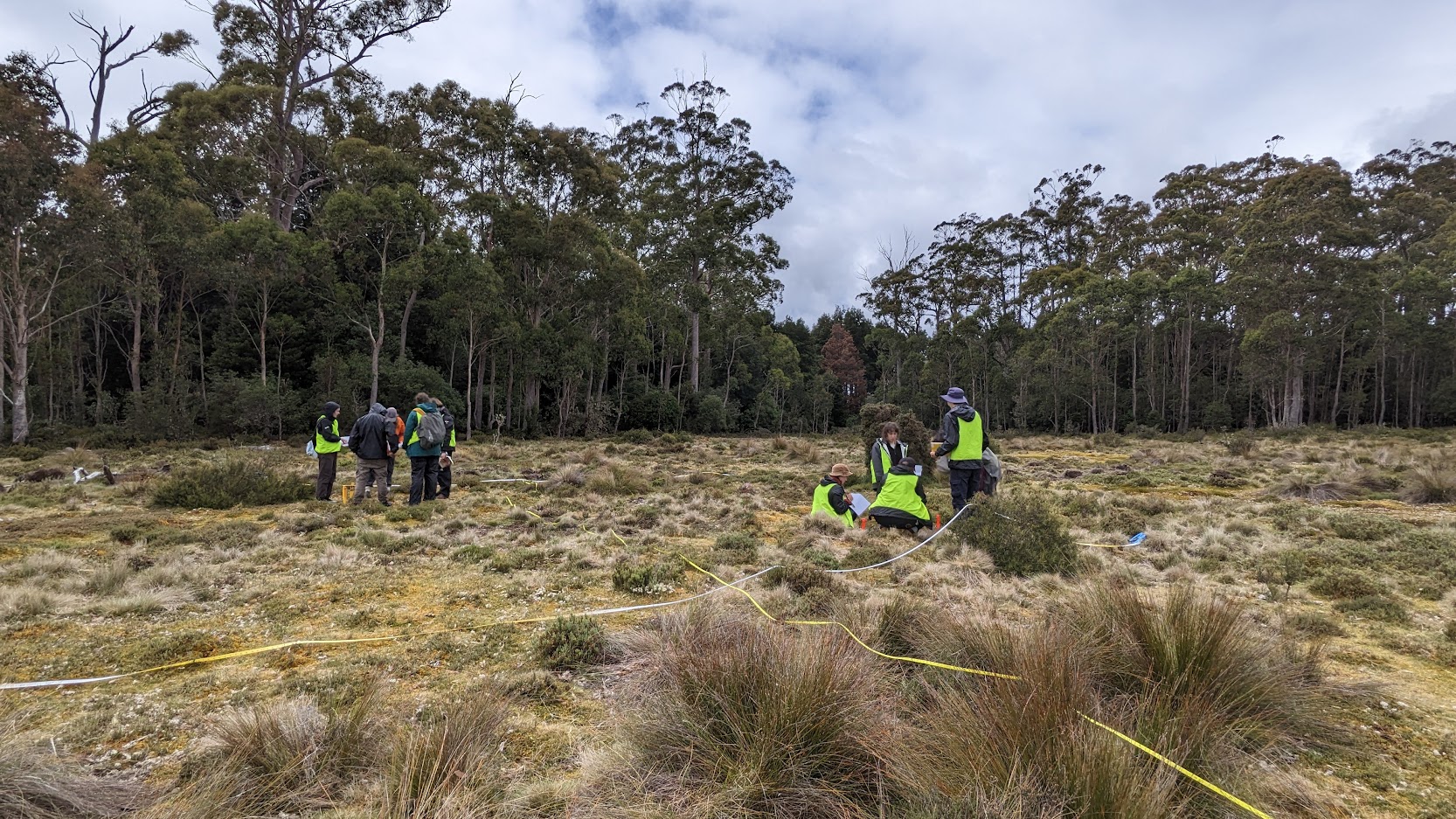
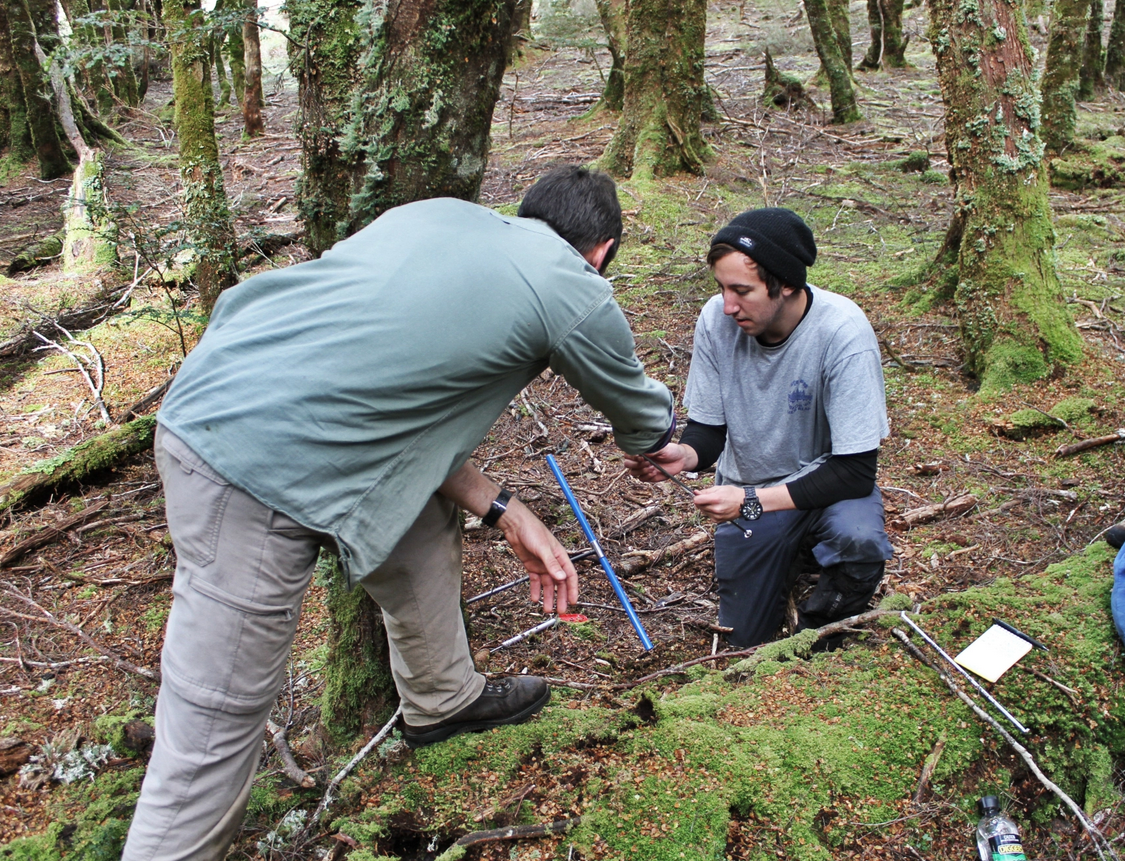
To test this, you will be using the full toolset available to a biogeographer (a person who studies the distribution of ecosystems): dendroecology (tree rings), palaeoecology (fossil analysis), palaeofire analysis (fire changes through time), soil nutrient analysis and botany (vegetation surveys).
You will work in ‘analysis groups’ in the field and in the lab to complete your groups’ sample collection and analysis. In the laboratory, this entails ~14 hours each of analysis in the Palaeoecology Laboratory at the University of Melbourne.
-
Tasmania has complex weather. It can snow, rain, hail and shine at any time of the year and on any given day. You need to be prepared for this. Field work days are each 2×3 hour sessions in the field, plus 1 hour lunch. You will be some distance from vehicles, etc, throughout this time, so you need to prepare for this.
HATS and SUNSCREEN are a must at all times.
Tasmania has leeches. They are small, non-poisonous and don’t hurt when they bite, but you need to be mentally prepared for them.
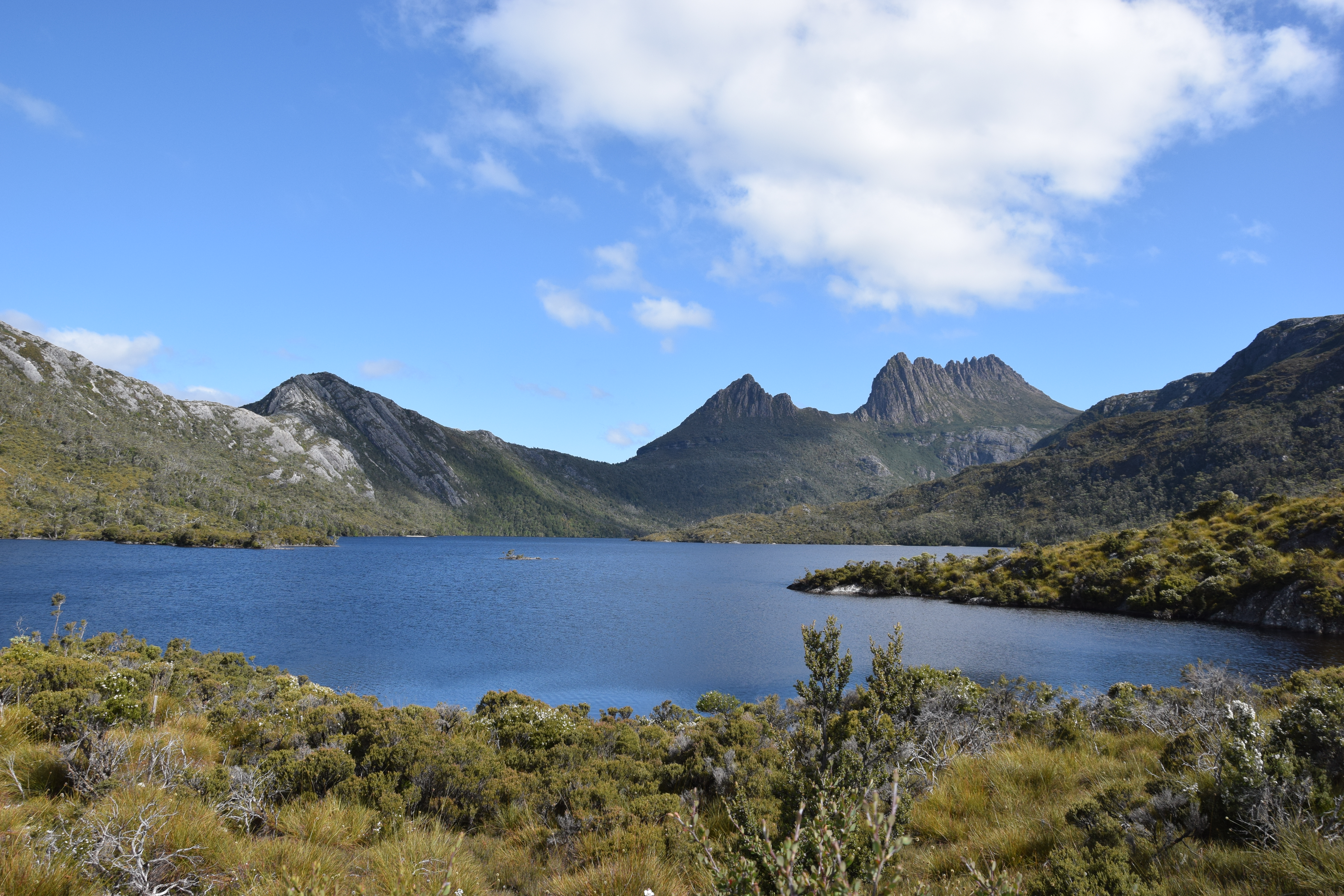
We will be working in relatively flat terrain, but where there are no walking tracks. You will need sturdy walking shoes that are either waterproof or that you don’t mind getting wet. The walks at Cradle Mountain vary in difficulty.
Download packing list -
Groups will be formed and a rotation system created so that food preparation and cleaning will be performed by everyone. You will make your own lunches each day at breakfast and we will eat between 6-7pm each evening. We will be conducting sampling prior to dinner if your group is not on meal preparation that evening.
We accommodate dietary preferences, but you may need to contribute to your own food preparation if it is highly specialised/restrictive.
-
Field Journal due at end of field trip.
Four online reading assignments i.e., quizzes.
Group Presentation - 20 minutes duration, due after labs.
Individual report based on the analysis of field data, 2000 words (Nature-style paper) due a couple of weeks after labs.
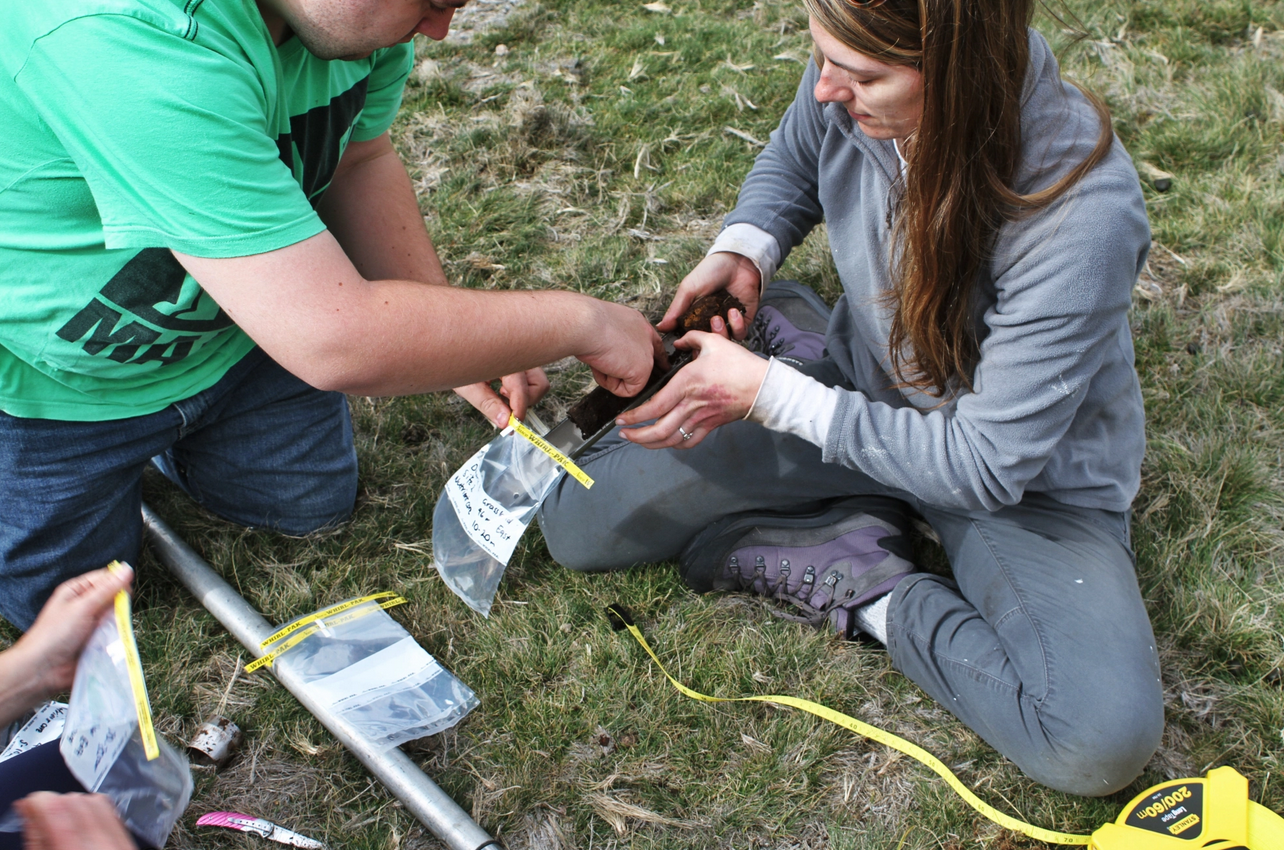
Photos from past fieldtrips
Environmental Change and the Human Journey (GEOG20015)
The modern world is facing unprecedented anthropogenic environmental change. Understanding the dynamic interplay between humans and our environment is of paramount importance if we are to successfully navigate this period of major environmental upheaval. Climate and environmental change have played a key role in shaping the biological, cultural, and geographic evolution of our species. What can an understanding of the past teach us about dealing with environmental change in the future?
This subject investigates the interrelationship between humans and their natural environments through time using evidence from physical and human geography, archaeology, palaeoanthropology, palaeoclimatology and palaeoecology. We will take a deep-time perspective, journeying from the emergence of humankind 6 million years ago to the present day. We will draw on case studies from around the world and across many different time periods, exploring how changing environments have influenced important transitions including the first migration of humans out of Africa, the emergence of symbolic behaviour, the beginning of agriculture and animal domestication, and resilience and collapse of complex societies.
We will explore questions such as: Did environmental complexity shape brain development? Why did all other Homo species go extinct while Homo sapiens became dominant? Did humans play a role in the extinction of megafauna? Was the emergence of agriculture and domestication linked to changing environments? Is there a correlation between environmental change and the collapse of complex societies? How have human subsistence strategies and resource use impacted vegetation, animal species, soils and climate? How will anthropogenic climate change affect the future of our species?
Handbook information

Subject and field trip information
-
The modern world is facing unprecedented anthropogenic environmental change. Understanding the dynamic interplay between humans and our environment is of paramount importance if we are to successfully navigate this period of major environmental upheaval. Climate and environmental change have played a key role in shaping the biological, cultural, and geographic evolution of our species. What can an understanding of the past teach us about dealing with environmental change in the future?
This subject investigates the interrelationship between humans and their natural environments through time using evidence from physical and human geography, archaeology, palaeoanthropology, palaeoclimatology and palaeoecology. We will take a deep-time perspective, journeying from the emergence of humankind 6 million years ago to the present day. We will draw on case studies from around the word and across many different time periods, exploring how changing environments have influenced important transitions
The estimated additional cost of the 4-day field trip to Western Victoria, is in the vicinity of $400-500. Students will be notified of the final cost. This cost covers all travel, accommodation, meals and the Budj Bim tour. This is not covered by HECS or University fees.
-
This subject is held during Semester 2.
The field trip is held during the mid-semester break, Monday to Thursday.
There are three practicals in this course in which you will learn different techniques in past environmental reconstruction. Practicals will be held in Weeks 9, 10 and 11 (one before and two after the mid-semester break field trip). -
The field trip takes you across Western Victoria exploring the volcanic landscape and human-environment interactions across this space.
We spend time investigating the coastal geomorphology, archaeological shell middens, wetlands and take a tour of Budj Bim World Heritage area, one of the oldest aquaculture landscapes in the world.
In the practicals we will conduct laboratory work delving into how we gather data to understand human-environment interactions. Over the course of three sessions you will learn how to sample, count and analyse proxy records and generate ways to explore the data you have accumulated as a group. -
We will be travelling every day and visiting different sites. We will be conducting fieldwork (sediment coring and/or rock drilling, shell collecting) either Tuesday or Wednesday or both. We will be outdoors - rain or shine - all day for these field days. They are essential for understanding the sites we will visit, collecting data and gaining field experience. You will need to be prepared for working in cold, hot, sunny, rainy conditions. We will be walking to some field sites - across Country. So sturdy foot ware that can get wet is essential. We will have generic sunscreen, but you are welcome to bring your own if you wish.
List of what to bring (we are only away for 4 days and limited space in the vans, so please pack a small bag + a backpack):
A hat
Sunscreen
Wet weather gear – we work rain, hail or shine
Warm clothing (layers) – it can be cold in the mornings and evenings.
Clothes you don't mind getting dirty – you will get dirty
Clothes you don't mind getting wet – you will probably get wet
Hiking shoes/boots - something comfortable to work/walk in most of the day
Shoes and clothes for the accommodation - something more comfortable e.g. sandles
Water bottle
Snacks (we provide lunch and fruit, you bring anything outside of this)
Sleeping bag and pillow
Towel
Torch (head torch)
Medication and other personal requirements -
Groups will be formed and a rotation system created so that food preparation and cleaning will be performed by everyone. You will make your own lunches each day at breakfast and we will eat between 6-7pm each evening.
We accommodate dietary preferences, but you may need to contribute to your own food preparation if it is highly specialised/restrictive.
-
Weekly quizzes based on the lecture material
A 5-minute tutorial presentation (either solo or in pairs)
A field book comprised of short answer questions (due after the field trip)
A 2000 word essay